Racing Simulators vs Flight Simulators: Which Leads to the Highest Level of Realism?
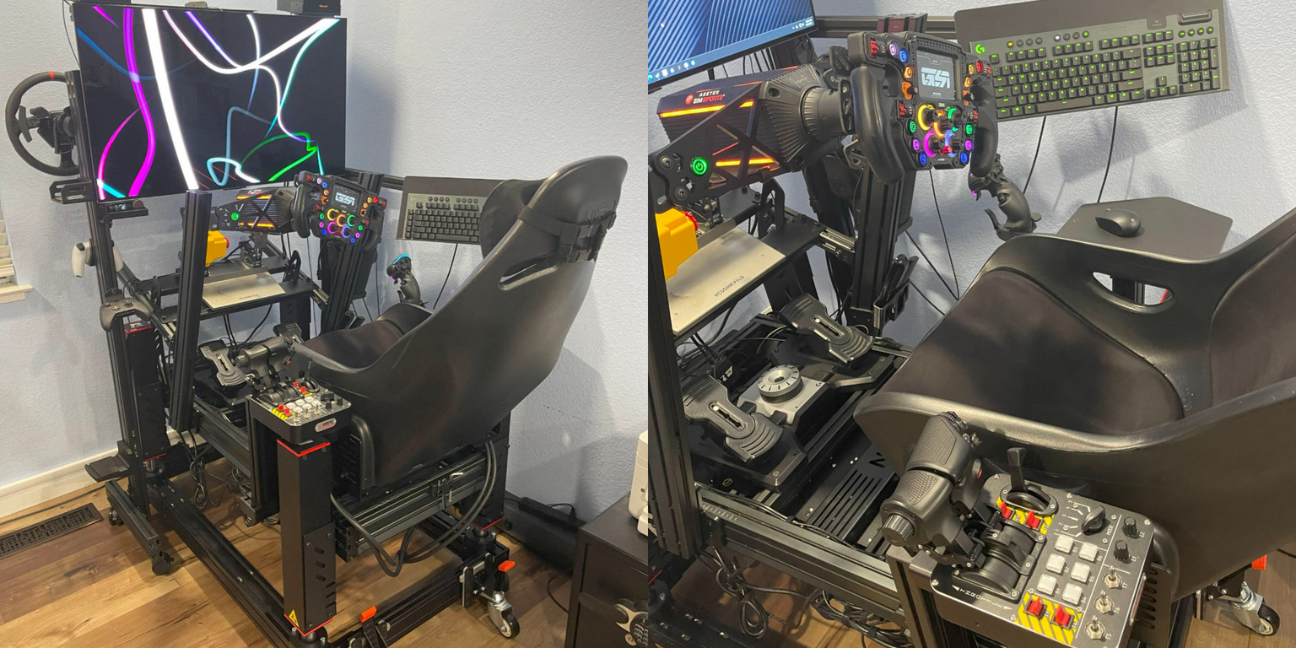
Simulation technology has changed the way people experience driving and flying. Today, both racing simulators and flight simulators offer incredibly realistic experiences that feel close to real life. From professional training to home entertainment setups, simulators are now more advanced than ever before.
But when it comes to realism, which one truly reaches the highest level — racing simulators or flight simulators? Let’s explore both worlds and compare them in terms of physics, hardware, immersion, training value, and overall experience.
Understanding Racing Simulators
Racing simulators are designed to replicate the real-world driving experience as accurately as possible. They are used by professional drivers, racing teams, and gaming enthusiasts.
A high-quality racing simulator usually includes:
- A strong cockpit frame
- A racing seat
- Force feedback steering wheel
- Pedals with realistic resistance
- Gear shifter or paddle shifters
- Triple monitors or a VR headset
- Motion platforms (in advanced setups)
The main focus of racing simulators is vehicle dynamics and road feedback. Modern software can simulate tire grip, suspension movement, braking pressure, engine torque, and even weather conditions.
When you turn the steering wheel, you can feel the resistance. When you hit a curb, the vibration travels through the wheel. When you brake too hard, you feel the loss of traction.
Professional drivers use racing simulators to practice tracks before real competitions. That alone shows how realistic they have become.
Understanding Flight Simulators
Flight simulators, on the other hand, are designed to replicate aircraft operations and real-world flying conditions. They are widely used in aviation training, pilot certification, and even military programs.
A typical flight simulator setup may include:
- Cockpit frame or flight seat
- Yoke or joystick controls
- Throttle quadrant
- Rudder pedals
- Instrument panels
- Multiple displays or curved screens
- Advanced motion systems
Flight simulators focus heavily on:
- Aerodynamics
- Weather systems
- Air traffic control
- Navigation systems
- Instrument accuracy
- Aircraft systems management
Unlike racing simulators, flight simulators simulate three-dimensional movement in open airspace. They require accurate physics calculations involving altitude, air density, wind speed, and aircraft weight.
Many real pilots train using flight simulators before flying actual aircraft. Some high-end flight simulators are so realistic that they are certified for official pilot training hours.
Comparing Realism: Physics and Mechanics
When discussing realism, physics accuracy is one of the most important factors.
Racing Simulator Physics
Racing simulators focus on:
- Tire friction
- Weight transfer
- Suspension geometry
- Road surface detail
- Collision impact
Every corner, brake input, and throttle control directly affects the car’s behavior. The feedback is instant and physical.
Flight Simulator Physics
Flight simulators calculate:
- Lift and drag forces
- Wind resistance
- Engine thrust
- Aircraft balance
- Turbulence and weather systems
Flying involves complex physics because the aircraft moves freely in 3D space. The calculations behind lift and air pressure are extremely detailed.
In terms of raw physics complexity, flight simulators often require more advanced mathematical modeling. However, racing simulators provide stronger physical feedback that users can feel instantly.
Immersion and Sensory Experience
Immersion plays a major role in realism.
Racing Simulators and Immersion
Racing simulators provide:
- Strong force feedback
- Engine vibrations
- Road texture feeling
- Motion platforms that simulate acceleration and braking
- Close-to-ground speed sensation
The intense speed and immediate physical response make racing simulators highly immersive.
Flight Simulators and Immersion
Flight simulators provide:
- Realistic cockpit environments
- Authentic aircraft sounds
- Long-distance scenery
- Real-time weather systems
- Calm and smooth movement
Flight simulators often feel more technical and detailed, while racing simulators feel more intense and physical.
Training Value and Professional Use
Both simulators are used professionally.
- Racing drivers use simulators to learn tracks.
- Pilots use simulators for certification and emergency training.
Flight simulators may have a slight edge in official training value because aviation authorities recognize them for real training hours. However, racing simulators are essential tools in modern motorsports as well.
Hardware Realism: The Setup Matters
The level of realism in both types of simulators depends heavily on hardware quality.
A weak frame or unstable cockpit reduces realism. Poor seating position breaks immersion. Low-quality pedals or controls reduce accuracy.
Whether it’s racing or flying, a strong and stable simulator frame is the foundation of realism.
This is where choosing the right brand becomes very important.
So, Which One Leads to the Highest Level of Realism?
The answer depends on what type of realism you value.
If you prefer:
- Intense physical feedback
- Fast reactions
- Track precision
- Strong force feedback
Racing simulators may feel more realistic.
If you prefer:
- Detailed systems management
- Real-world navigation
- Weather simulation
- Aircraft mechanics
Flight simulators may offer deeper realism.

In technical complexity, flight simulators may lead.
-
In physical sensation and instant feedback, racing simulators may feel more realistic.
Ultimately, both have reached an incredible level of realism thanks to modern technology.
The Importance of High-Quality Simulator Rigs
No matter which simulator you choose, realism depends heavily on build quality.
A strong, stable frame:
- Prevents shaking
- Improves control precision
- Enhances immersion
- Supports powerful force feedback systems
- Ensures long-term durability
If you want a serious setup, whether for racing or flight simulation, investing in a professional-grade rig is essential.
Why Trak Racer Is a Top Choice for Both Simulators
If you’re looking for premium simulator rigs, Trak Racer is one of the most trusted names in the industry. Trak Racer offers high-quality aluminum profile rigs with strong and durable construction. You can get adjustable designs for comfort. The best thing is compatibility with major wheelbases and flight controls. The brand also offers a wide range of racing and flight simulator cockpits. In short, you may get professional-level stability.
Their products are built for enthusiasts and professionals who want maximum realism. Whether you’re building a competitive racing simulator or a detailed flight cockpit, Trak Racer provides reliable, sturdy, and precision-engineered solutions.
With strong frames and modular designs, you can customize your setup exactly the way you want. When realism matters, hardware quality makes all the difference, and Trak Racer delivers both performance and durability.
Both racing simulators and flight simulators have reached impressive levels of realism. Racing simulators deliver intense physical feedback and track precision, while flight simulators provide unmatched system depth and aerodynamic complexity.
The true winner depends on personal preference.
But one thing is certain: the foundation of realism starts with a high-quality simulator rig. Investing in a strong and reliable setup ensures that every turn, throttle input, or flight maneuver feels as real as possible.
Whether you love the thrill of the racetrack or the freedom of the skies, choosing the right equipment will elevate your simulation experience to the next level. Trak Racer, offering premium racing and flight simulator solutions, has achieved professional-level realism has never been easier.
Stay tuned to TheSmartUse to explore more differences between racing simulators and flight simulators.
Comment:
Your email address will not be published. Required fields are marked *