How the Pulsetto VNS Device Helps With Stress Management In a Busy Daily Routine
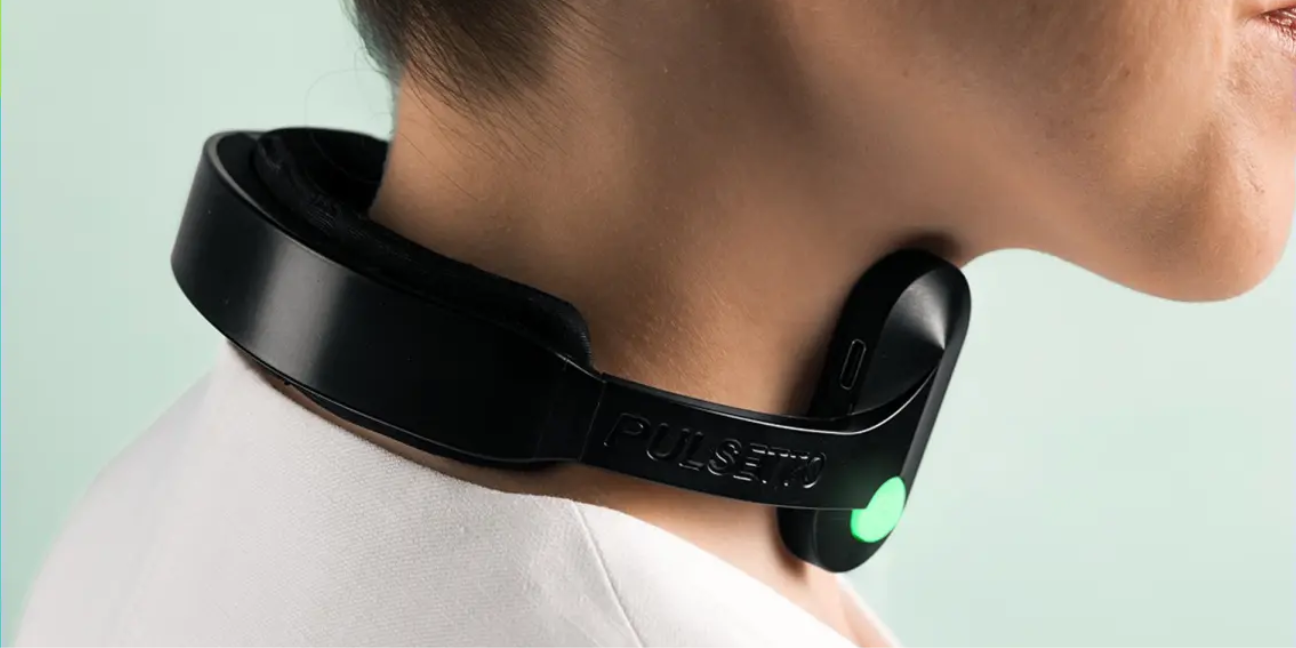
Stress doesn't come as one big event too often nowadays. It builds up through notifications in your inbox, quick meals, bad sleep, and the feeling that you can never really relax. This tutorial talks about how the Pulsetto VNS device can fit into a normal day, where it might be most helpful, and what signals show that the routine is truly working.
Why Modern Stress Requires Consistent Nervous System Support
A stressful day can change more than just your emotions. The vagus nerve is strongly linked to the parasympathetic system, which helps the body calm down after stress and get back to a steady baseline. It also affects sleep, digestion, heart rate, and the feeling of inner calm.
That is why many people searching for non-drug options are not looking for one dramatic fix. They want something small enough to repeat. A useful takeaway is that stress support often works better when it is attached to predictable parts of the day instead of saved for a late-night crash. That timing-based approach is also built into Pulsetto’s own guidance.
That model that can be repeated is what Pulsetto is based on. The business markets it as a wearable vagus nerve stimulation device for brief periods of time. Its app has five main programs for stress, anxiety, sleep, burnout, and pain. The setup is for everyday life, not only for a rigorous wellness program.
How Pulsetto Fits Into a Daily Routine
Pulsetto instruction is particularly focused on timing. The rapid start indicates that you should have a stress or anxiety session in the morning and then go to sleep about 30 to 60 minutes before bed. The brand also claims you can use it between meetings or when you're feeling really stressed. The instructions indicate to use it two to three times a day with a break in between.
That is important since a lot of stress-relieving gadgets are thrown away because they need perfect settings. As a tool for making changes, pulsetto works well. That means using it before the day becomes busy, when stress starts to build up, and again when the body needs help getting ready for sleep.
Morning Use for Calm Focus
People who wake up with a lot on their minds should utilize it in the morning. Pulsetto suggests having a first session within an hour of getting up. This can assist in decreasing activation before the day becomes reactive. That is typically more helpful than waiting until stress has already made it hard to focus.
The routine is simple. Attach the gel on, attach the gadget around your neck, choose a setting, and then keep motionless for a few minutes before opening messages. A lot of individuals on forums think the effect is small, but a few report that using it in short, regular bursts was better than using it at random times.
Midday Reset for Stress Control
Stress often builds up in the middle of the day. Meetings pile up, meals are rushed, and the body might linger in a low-alert state for hours. This is when vagus nerve stimulation for stress stops being about feeling good and starts being about stopping the flow of stress before it follows you throughout the rest of the day.
Pulsetto has embraced this use case by incorporating app reminders and intelligent notifications linked to sleep and stress data. There is also an offline mode for essential apps, which makes things easier while traveling, when the connection is bad, or when people just want a session without any other tech issues.
Evening Use for Relaxation
Evening sessions are all about switching from work mode to sleep mode. Pulsetto says to utilize the sleep setting about an hour before bed because the nervous system needs aid realizing that the day is finished.
This is also where you need to keep your expectations in check. Some people on Reddit said they saw calmer evenings and better sleep within a few days, while others said they didn't notice much of a difference even after weeks. The trend shows that consistency is more important than getting a quick result from one session.
Combining Pulsetto With Other Relaxation Techniques
It seems that Pulsetto works best when utilized as part of a recovery sequence. The app proposes that you do sessions with guided breathing or calming music, and its premium content includes meditation and breathing exercises. That combination makes sense since the first habit gets the body going and the second habit relaxes the mind.
This is what a simple stack might look like:
- Before you check your email in the morning, use Pulsetto.
- After the session, take two minutes to breathe slowly.
- After a lunchtime session, take a quick walk or stretch.
- Make the evening session better by turning down the lights and the sounds from the screens.
That combination also matches the feedback from the forum, which is more balanced. People often say that Pulsetto is more of a helpful nudge than magic. Some people said it helped them relax and sleep better over time. Some people believe the effect was weak or didn't happen at all. It's best to think of it as a way to help with a larger routine than as a replacement for therapy, medical care, or healthier sleep habits.
Signs That The Device Is Working Effectively
Not always feeling serene right away is the clearest early symptom. It might be easier to relax at night, have less stress after everyday annoyances, or be a little better at getting back on track after a tough meeting. Pulsetto also says that their study shows improvements in mood, stress, sleep, and feeling overwhelmed, but the results will still be different for everyone.
A better way to judge the Pulsetto VNS device is to track patterns over several weeks instead of chasing one perfect session. Notice whether bedtime feels less wired, whether you recover faster after overload, or whether morning stress starts from a lower level. The app is designed for that kind of pattern spotting.
Frequently Asked Questions
How Often Can Pulsetto Be Used?
Pulsetto claims it's okay to use it every day and usually recommends two to three sessions a day with 45 to 60 minutes in between. Comfort and personal responsiveness are still important, even if more is better.
Is the App Free With Pulsetto?
According to the Pulsetto FAQ, the app comes with five free core programs, and you can choose to pay for additional programs. That is important since a lot of public reviews and app feedback mention confusion about subscriptions.
How Long Does It Take To Notice a Difference?
There isn't just one answer. Pulsetto talks about short sessions and study claims based on repeated use, forum conversations show varied results. Some people say they felt calmer almost immediately, while others say the shift happened slowly or was too little to detect.
Is Pulsetto Safe for Everyone?
No. Pulsetto publishes a list of contraindications that includes people with pacemakers and other implanted electronic devices, among other conditions. Anyone with a medical condition, cardiac history, or uncertainty about suitability should read that guidance carefully and talk to a clinician first.
Used well, Pulsetto can make stress management feel less theoretical and more manageable in real life. Its biggest advantage is how easily it fits into timing-based routines, so people do not have to wait until burnout takes over the day.
A short session at the right moment can help create steadier transitions between work pressure, recovery, and rest. Before buying, people who want to save money should also check for Pulsetto Promo Codes.
Press enter to visit TheSmartUse and follow the website for more on health.
Comment:
Your email address will not be published. Required fields are marked *