Tight Shoes and Little Feet! What Parents Should Understand
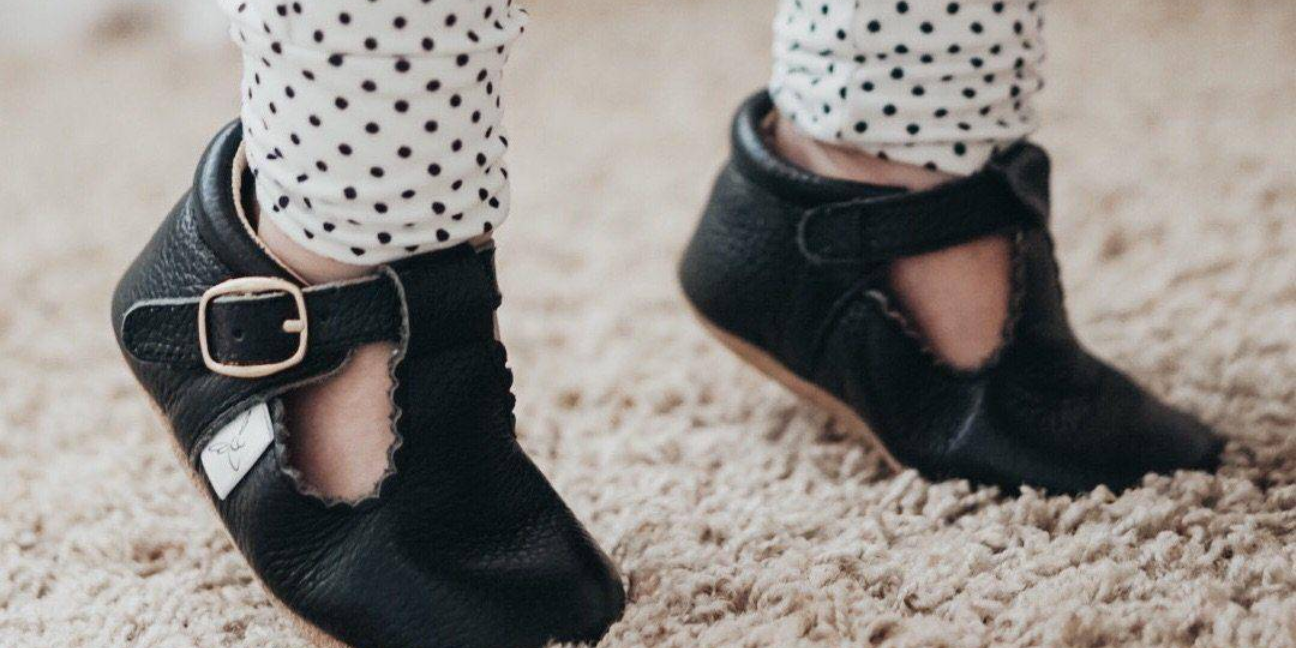
Undoubtedly, every small detail matters when it comes to children. Especially what they wear on their feet. Many parents focus on style, color, or price when buying shoes, but forget one very important thing: fit and comfort. Tight and restrictive shoes may look cute, but they can cause real problems for growing feet.
Children’s feet are soft, flexible, and still developing. Wearing the wrong shoes during these early years can affect their comfort, posture, and even long-term foot health. That’s why parents should understand what to look for and what to avoid when choosing shoes for their child.
Why Children’s Shoes Matter So Much
A child’s foot is not just a smaller version of an adult’s foot. It is still forming. The bones are softer, and the muscles are developing. This means that the wrong type of shoe can easily negatively shape the foot.
Good shoes support natural growth. Bad shoes can limit it. If a shoe is too tight, too stiff, or too narrow, it can press on the toes and prevent them from moving freely. Over time, this may lead to discomfort and other issues.
The Hidden Dangers of Tight and Restrictive Shoes
Many parents don’t realize that tight shoes can cause more than just temporary pain. Here are some common problems:
Toe Deformities
When shoes squeeze the toes together, they cannot spread naturally. This may lead to issues like overlapping toes or bunions later in life.
Blisters and Skin Irritation
Shoes that rub against the skin can cause blisters, redness, and soreness. Children may not always complain clearly, so parents need to check their feet regularly.
Poor Balance and Walking Issues
If a shoe is stiff and does not bend easily, it can change how a child walks. This may affect balance and natural movement.
Slower Foot Development
Feet need space to grow. Restrictive shoes limit that space, which can interfere with proper development.
Long-Term Foot Problems
Wearing tight shoes during early years can sometimes lead to foot pain even in teenage or adult years.
Signs Your Child’s Shoes Are Too Tight
Parents should look for warning signs such as:
- Red marks on the feet after removing shoes
- Complaints of pain while walking
- Toes pressed tightly together
- Frequent tripping or imbalance
- Shoes that feel hard and stiff
If you notice these signs, it may be time to change your child’s footwear.
What Parents Should Consider When Buying Children’s Shoes
Choosing the right shoe is not complicated, but it does require attention.
Proper Fit
Always measure your child’s feet before buying shoes. Children’s feet grow quickly, so sizes often change. There should be a little space in front of the toes about a thumb’s width. Shoes should feel snug but never tight.
Wide Toe Box
The front part of the shoe should allow toes to spread naturally. When children walk, their toes move and balance their bodies. They need room to do that. A narrow toe box can squeeze the toes and cause problems.
Flexible Sole
A good children’s shoe should bend easily. Try bending the shoe in your hand. If it feels stiff and hard, it may restrict natural movement. Flexible soles allow kids to move comfortably and naturally.
Breathable Material
Children run and play a lot. Their feet can sweat. Shoes made from breathable materials help keep feet dry and comfortable. Materials like soft leather are often a good choice because they are durable yet flexible.
Lightweight Design
Heavy shoes can tire children quickly. Lightweight shoes make it easier for them to run, jump, and play without discomfort.
Why Comfort Should Never Be Ignored
Sometimes parents choose shoes based on appearance. Cute designs and trendy styles are appealing. But no matter how nice a shoe looks, comfort should always come first.
Children may not always express pain clearly. They may just avoid walking or seem less active. That’s why parents must pay attention and make smart choices. Healthy feet mean happier, more active children.
The Benefits of Barefoot-Style Shoes
Many experts now recommend barefoot-style shoes for children. These shoes are designed to allow natural foot movement, almost like walking barefoot but with protection.
Benefits include:
- Better balance
- Stronger foot muscles
- Natural toe movement
- Improved posture
Barefoot-style shoes are flexible, lightweight, and roomy in the toe area.
Investing in Quality Matters
Children’s shoes are not just another clothing item; they are important for development. Investing in good-quality shoes can prevent problems and support healthy growth.
A well-made shoe lasts longer and provides better comfort. It may cost a little more, but it protects your child’s health.
A Trusted Option for Little Feet
If you are looking for shoes that focus on comfort and healthy development, one brand many parents appreciate is Little Love Bug.
Little Love Bug creates shoes specially designed for growing feet. Their designs focus on softness, flexibility, and proper fit. Many parents like the use of high-quality leather, which feels gentle on children’s skin while also being strong and long-lasting.
Their shoes are built with a comfortable, barefoot-style sole that allows natural movement. This means children can walk, run, and explore without feeling restricted.
Instead of stiff and narrow designs, their shoes are made to give little toes room to move freely, which is exactly what developing feet need.
Parents play a big role in protecting their child’s health, and that includes choosing the right shoes. Tight and restrictive footwear may seem harmless, but it can cause discomfort and long-term problems for growing feet. Always check for proper fit, flexibility, and comfort. Look for shoes that support natural movement rather than limit it. You can find the best option from Little Love Bug.
Healthy feet help children stay active, confident, and comfortable. By making thoughtful choices and selecting quality footwear like those designed with little feet in mind, you can support your child’s growth every step of the way.
Stay tuned to TheSmartUse for more quality footwear for your children from your favorite brands.
Comment:
Your email address will not be published. Required fields are marked *